Oud is one of the most loved scents in the Gulf, and one of the most confusing to buy for the first time. The names are endless, prices run from a few hundred riyals to several thousand, and every seller promises real oud.
This guide explains what oud actually is, how oud perfumes differ from one another, and how to test before you pay, so your first oud perfume is one you will wear and not one that sits in a drawer.
What is oud?
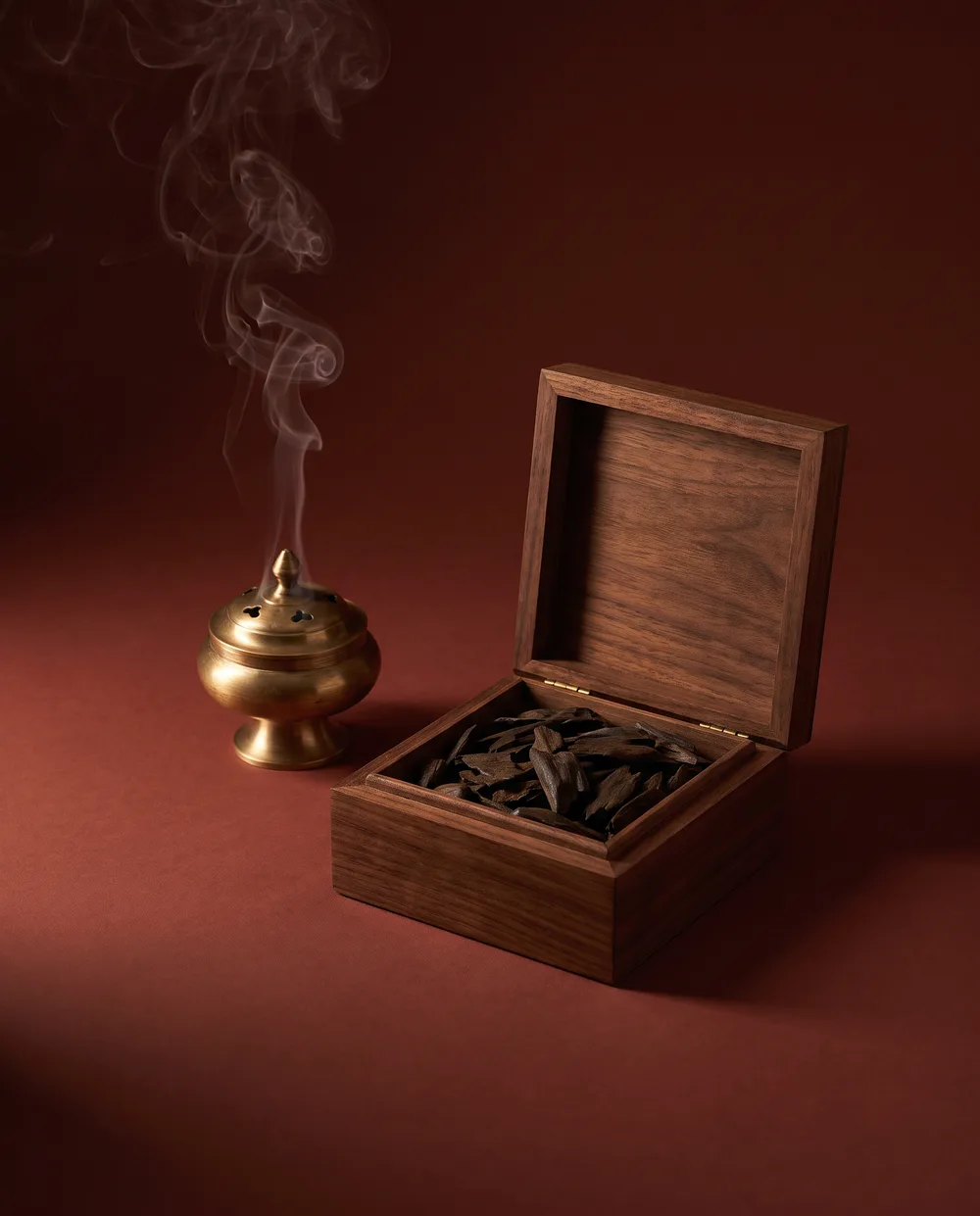
Oud, or agarwood, is a dark resin produced by certain Aquilaria trees when they are wounded or infected. The tree fills its heartwood with this fragrant resin as a defence. That resin is what gets distilled into oud oil, and the same wood is burned as incense in homes and majlis.
This is why oud varies so much from one source to the next: some is sweet and smooth, some smoky and leathery, some sharp and close to burnt wood. The rarer the type and the better the resin, the higher the price.
Pure oud oil versus oud-style perfumes
Pure oud oil is distilled from resin-rich wood. It is thick and concentrated, applied in tiny dabs on skin or clothes rather than sprayed. It is deep and keeps changing through the day, but it is the most expensive form and takes time to get used to.
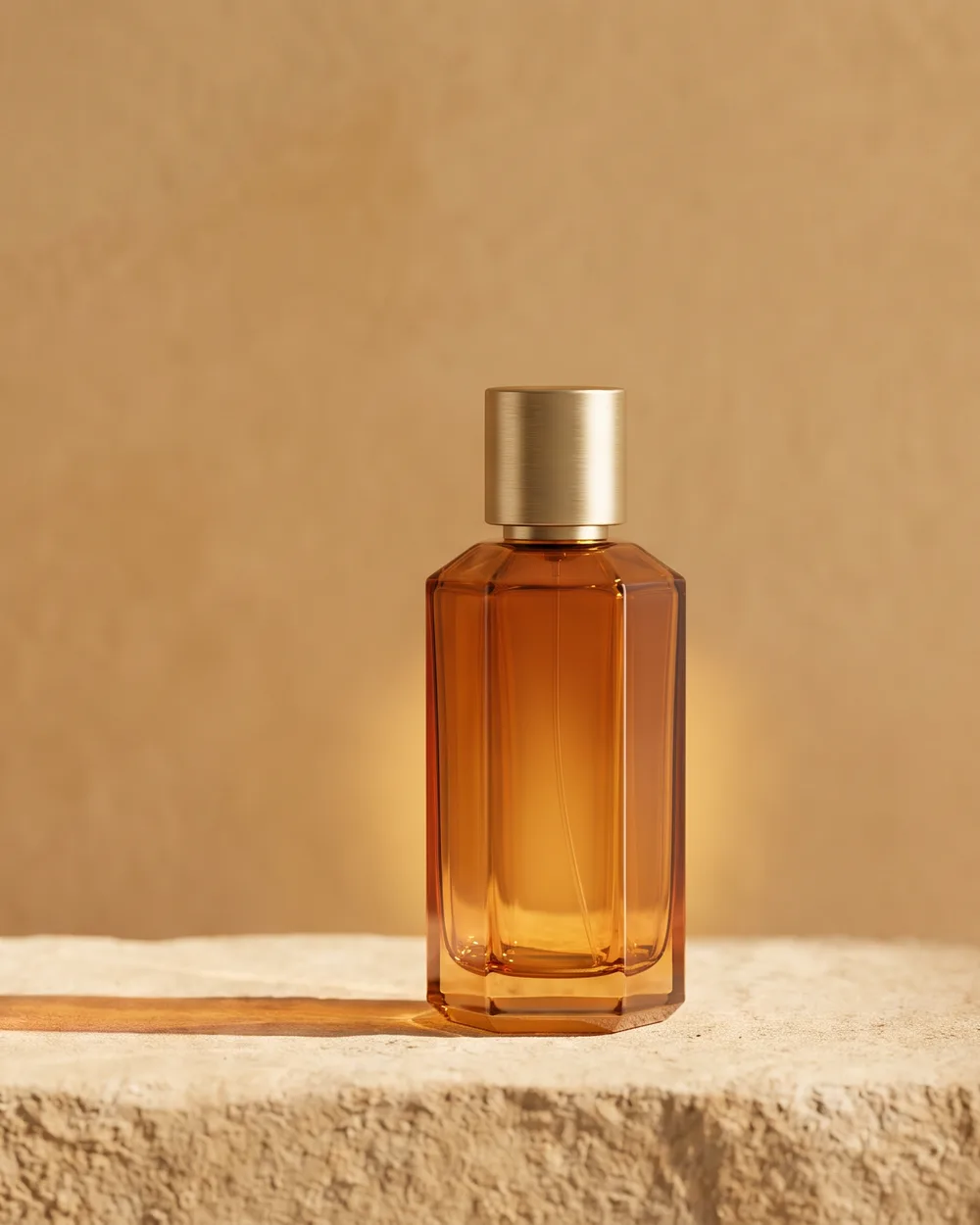
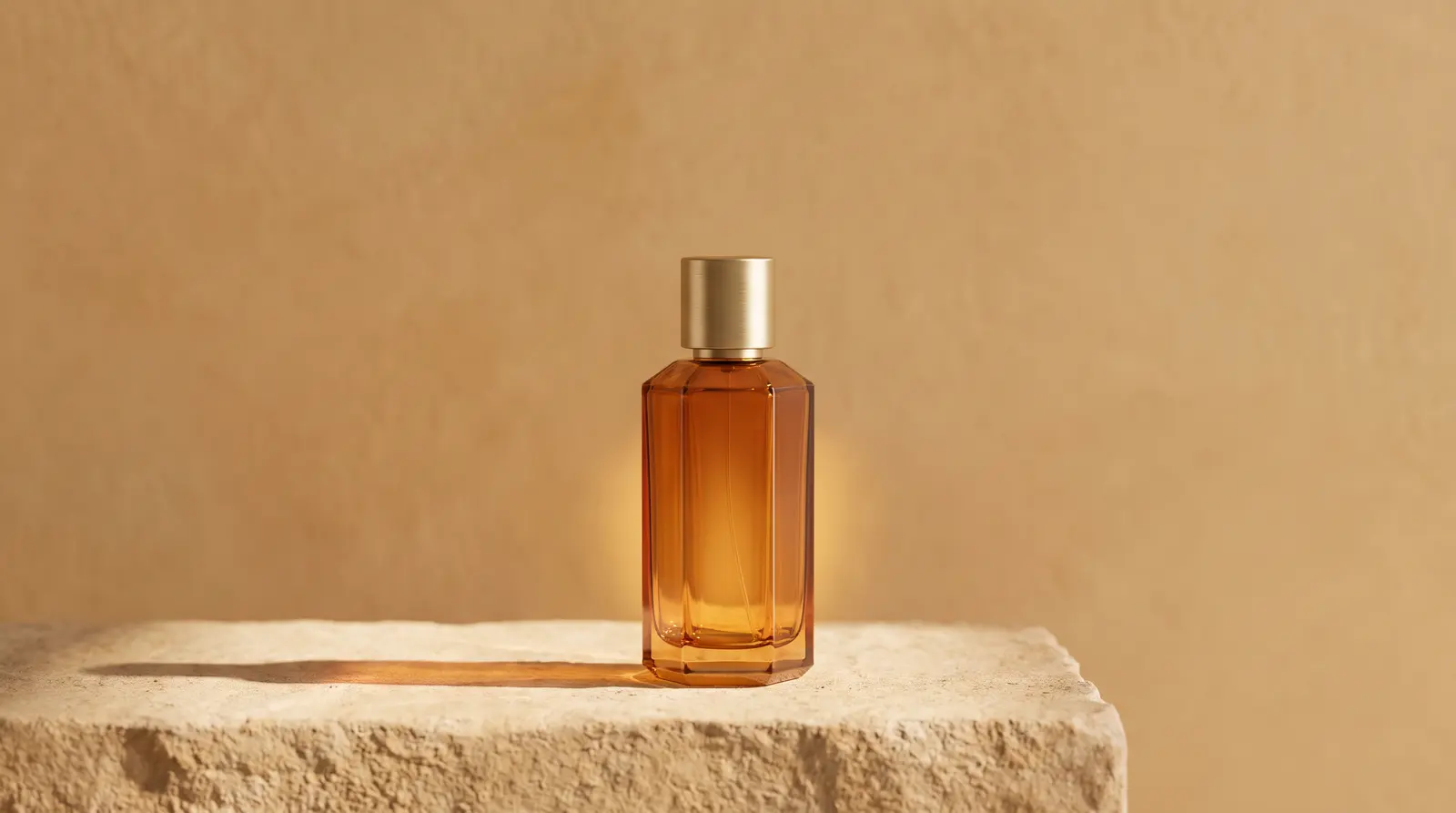
An oud perfume sold as a spray is usually a composition built around oud: a small amount of real oud, or an ingredient that imitates its smell, blended with rose, amber, saffron and other notes. It is lighter, easier for daily wear, closer to normal perfume prices, and the sensible starting point for most people.
The word oud on a label can mean different things, so ask the seller what is inside rather than judging by the name. A synthetic ingredient does not make a perfume bad. Many good perfumes rely on one because its smell stays consistent from bottle to bottle.
What oud is usually paired with
Oud rarely appears alone in a spray perfume. The notes around it decide its character:
- Rose: softens oud's edge and gives it an elegant face. It is the best-known pairing in Gulf perfumery.
- Amber: adds warmth and sweetness, and suits evenings and winter.
- Saffron: brings a leathery, spiced glow for people who want a noticeable oud.
- Sandalwood and musk: smooth oud and keep it close to the skin, a good choice for beginners.
- Frankincense and incense notes: add light smoke that recalls majlis and celebrations.
How to test an oud perfume before buying
Test on your skin, not only on a paper strip. Oud changes with skin warmth, and paper gives you the first impression only. These steps save a lot of regret:
- Try one or two perfumes per visit. Your nose tires after three or four.
- Wait at least thirty minutes for the base to settle. That is the scent you will actually live with.
- Wear it for a full day if you can and ask yourself whether you still like it after six hours.
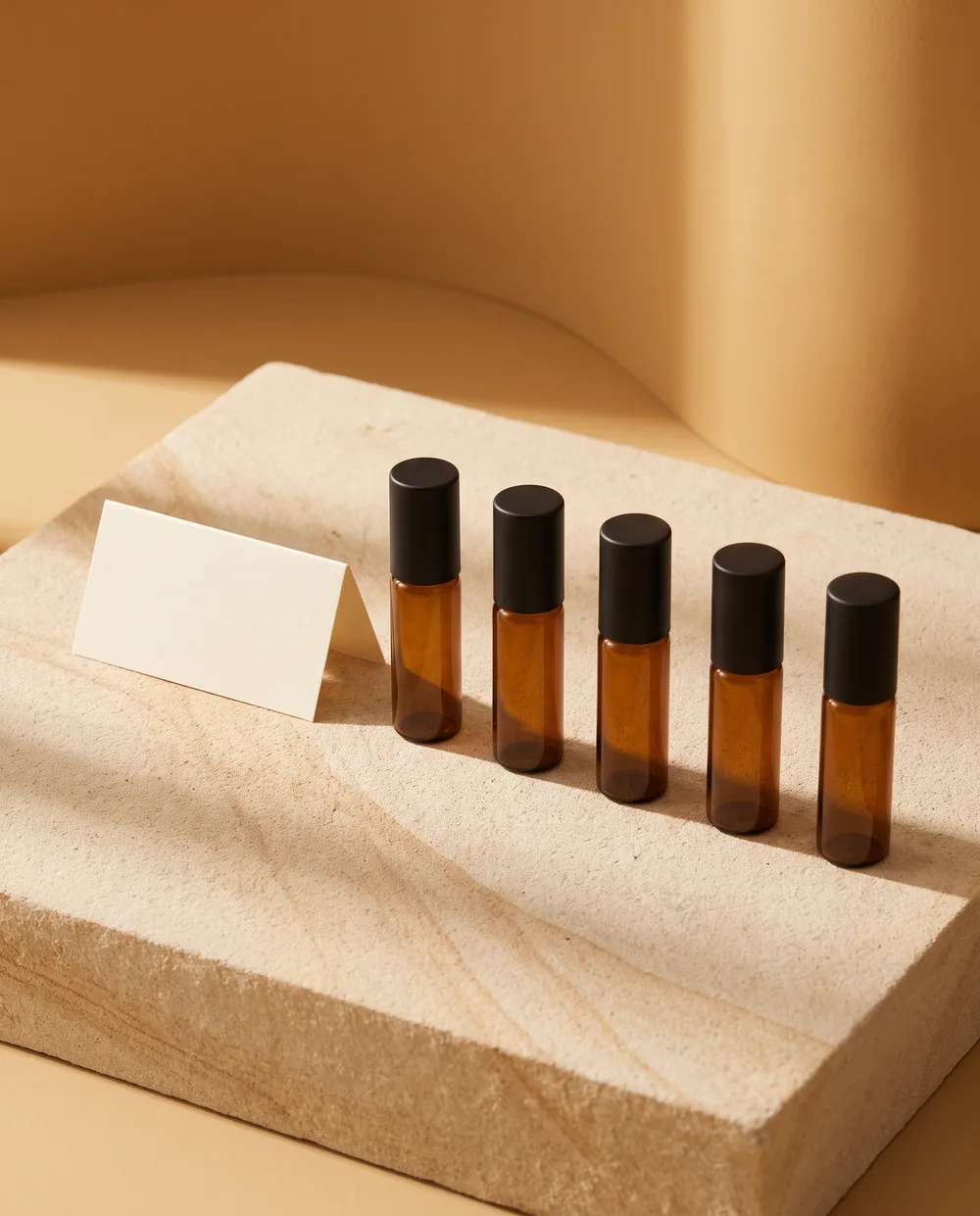
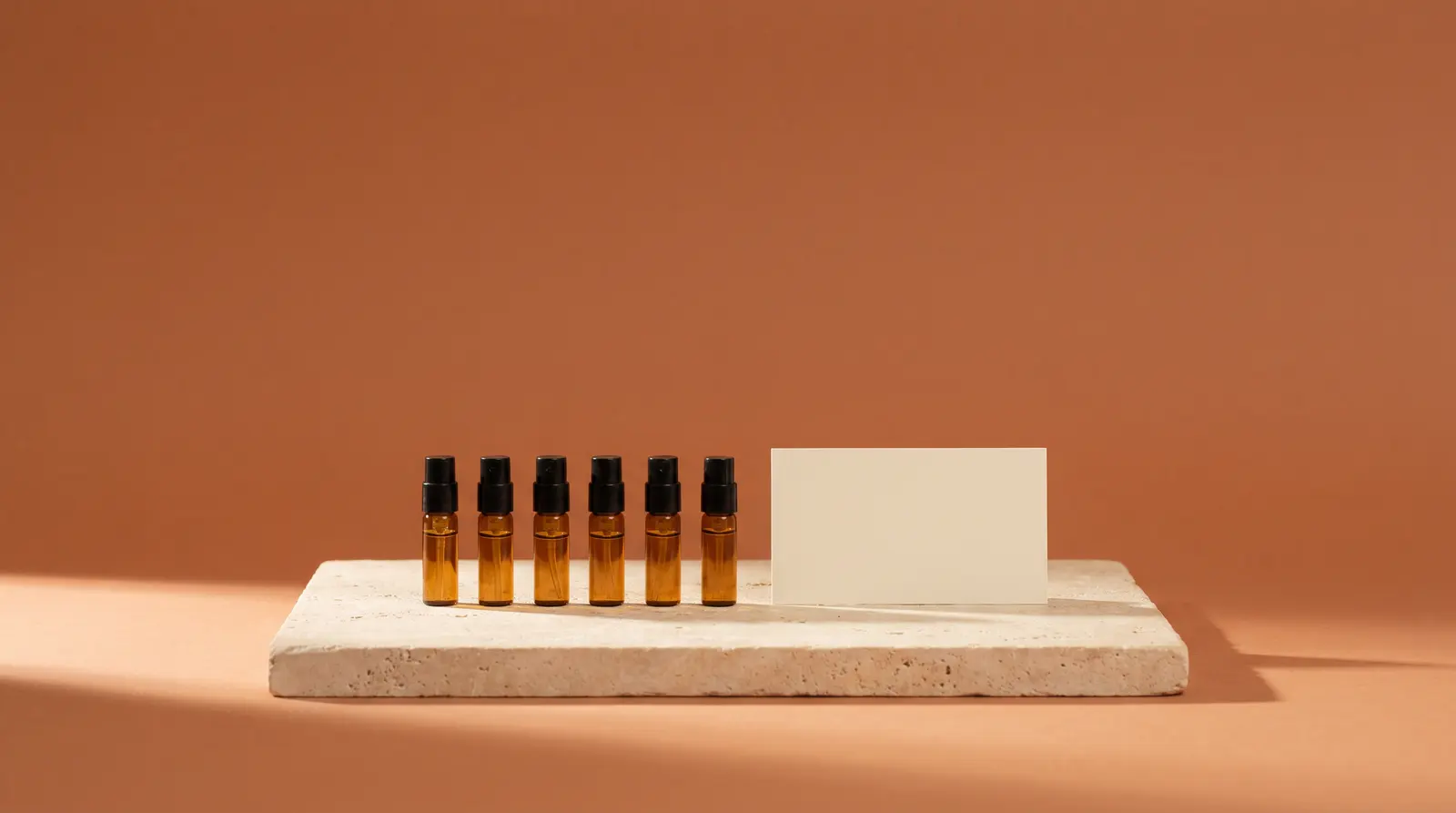
- Start with a small bottle or a discovery set before paying for a large one.
Budget in general terms
Prices vary widely between brands, but the general picture is clear. Ready-to-spray oud perfumes often start from a few hundred riyals for medium bottles, while fine oud oil in a small bottle can reach thousands of riyals. A higher price does not guarantee that you will like it.
Start with an amount you can afford to be disappointed with. A small bottle at a fair price beats a luxurious one you discover you dislike after a week.
When buying online, choose a verified store. The Ministry of Commerce Maroof platform lists verified online stores. Where we mention a shop on Nafha, we may earn a commission at no extra cost to you, and it never changes what we recommend.
Which oud suits whom
No single oud suits everyone, but these general rules help you narrow it down:
- Office: a smooth oud with sandalwood, musk or rose. Two sprays are enough.
- Weddings and big gatherings: oud with amber or saffron that stays present among crowds and other perfumes.
- Summer: a light oud with citrus or rose, best worn in the evening.
- Winter and Ramadan nights: a warm oud with amber and frankincense for long evenings.
- Gifts: a smooth, balanced oud that suits most tastes. A first gift is not the place for a gamble.
Common mistakes beginners make
Most disappointments with oud come from simple, avoidable mistakes:
- Buying by name or price without testing on skin.
- Smelling ten perfumes in one visit and choosing with a tired nose.
- Starting with a luxury oud oil before knowing whether you like oud at all.
- Over-spraying. A good oud fills a room with two or three sprays.
- Wearing a heavy oud in summer heat and then wondering why it feels suffocating.
- Buying a large bottle from an unverified store without checking authenticity.
Key takeaways
- Oud is the resin of Aquilaria trees, and its price follows its rarity and quality.
- Start with a ready-to-spray oud perfume, not luxury oud oil.
- Test on your skin and wait thirty minutes before deciding.
- Rose, sandalwood and musk pairings are an easier start than strong smoky oud.
- Buy a small bottle first, from a verified store.
Frequently asked questions
Is oud perfume only for men?
Is pure oud oil better than oud perfume?
How long does oud perfume last?
Is oud suitable for Saudi summer heat?
We may earn a commission from partner shops at no extra cost to you.